Everything you need to know about AI copyright laws in the U.S. in 2026
In 2026, creating content with AI feels like walking through a minefield.
One day, you read a headline about a major record label suing a YouTuber for a "soundalike" song. The next, you hear about a class-action lawsuit shutting down an AI art generator. The question on every creator’s mind is no longer "How do I make this?"—it is "Am I going to lose everything if I do?"
The short answer is: Yes, you can get sued. The long answer is: Not if you follow the rules.
The U.S. Copyright Office and Congress have spent the last three years building a legal framework for AI. It is no longer the "Wild West." There are clear lines between "Safe Harbor" and "Copyright Infringement."
This master guide breaks down the three biggest legal risks you face and how to bulletproof your channel using the new 2026 laws.
Risk #1: Identity Theft (The "Deepfake" Trap)
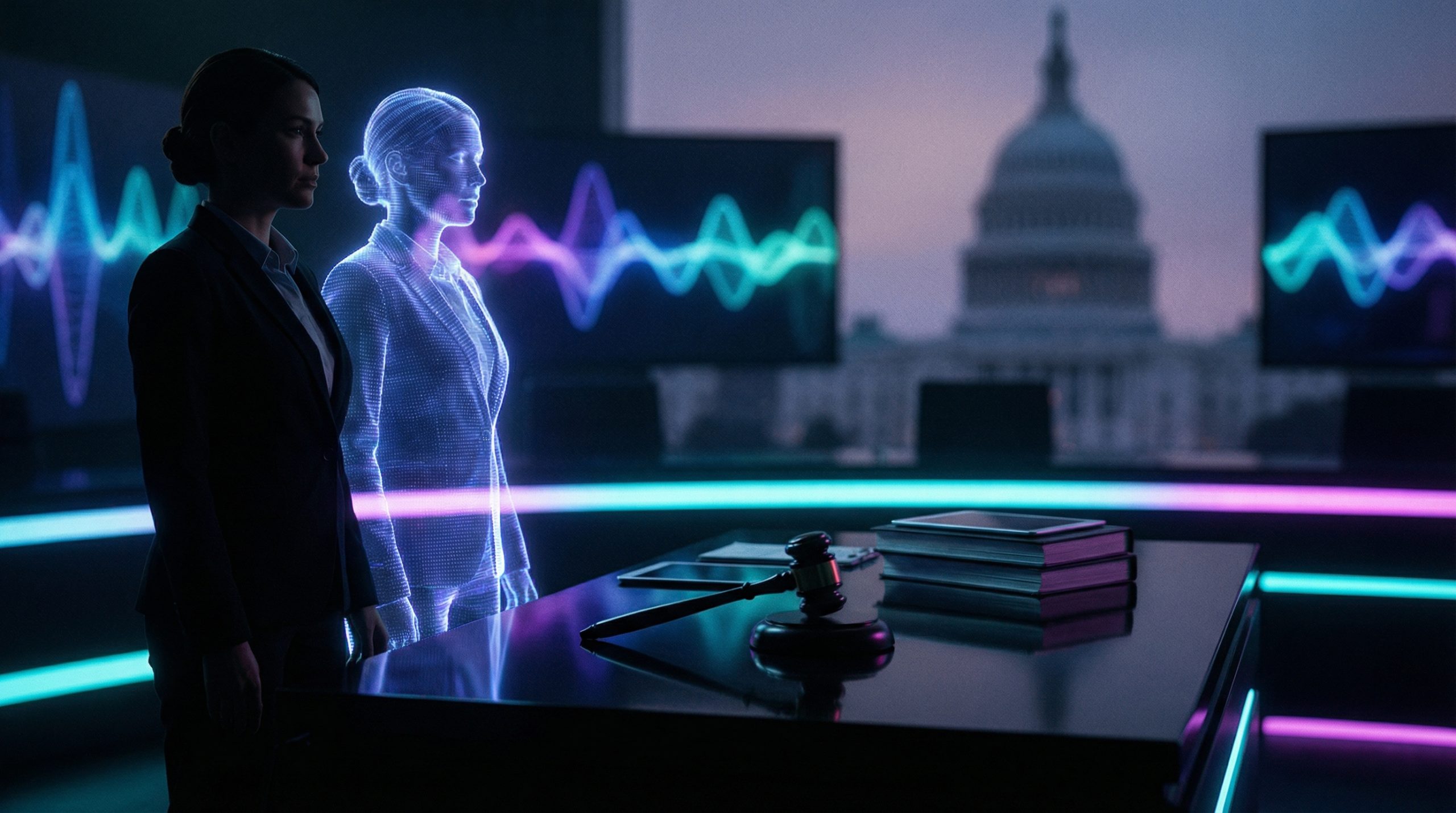
The fastest way to get sued is to use AI to clone a real person without permission.
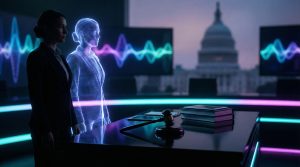
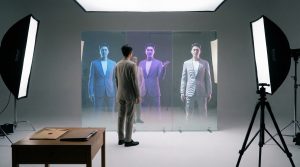
The Law: The proposed NO FAKES Act (Nurture Originals, Foster Art, and Keep Entertainment Safe) creates a federal property right in every individual’s voice and face . This means you cannot legally use an AI "celebrity voice changer" or a "digital twin" of an actor unless you have a signed contract.
The Solution:
- Don't Clone Celebrities: Even "parody" is a risky legal defense in 2026.
- Use Licensed Avatars: Tools like MagicLight use stock avatars performed by real actors who were paid for their likeness rights. Using these is 100% legal.
Deep Dive: Read our full guide AI laws will change in the U.S. in late 2026: Understanding the “No Fakes” & “Digital “Replicas” laws to see exactly what is banned.
Risk #2: The "Public Domain" Trap (Losing Your Copyright)
You might not get sued for this one, but you will lose your business.
The Law: The U.S. Copyright Office has ruled that raw AI generation is "non-human" and therefore cannot be copyrighted . If you build a "Faceless Channel" using 100% raw AI clips, you don't own your content. Anyone can legally steal your videos, re-upload them, and monetize them.
The Solution:
- Add "Human Authorship": You must "select, arrange, or modify" the AI output.
- Be the Director: Write your own scripts and edit your clips manually. The more human effort you put in, the stronger your legal claim.
Deep Dive: Read our guide on [Can You Copyright AI Video?] and [Why "Human Authorship" Matters for Faceless Brands].
Risk #3: The "Dirty Data" Trap (Tool Liability)
Sometimes, you aren't the problem—your tool is.
The Law: Courts are currently deciding if AI models trained on copyrighted data (without permission) are illegal. If a tool loses these lawsuits, it could be shut down, and its users could face "downstream" legal action for distributing stolen property.
The Solution:
- Check for Indemnification: Does your AI tool promise to pay your legal fees if you get sued for using it?
- Vet the Training Data: Only use platforms that license their training data. If a tool is "free" and secretive about its data, it is a liability.
Deep Dive: Read our guide on [Is Your AI Tool Stealing Data? How to Check].
The 2026 Safety Checklist
To keep your channel in the "Green Zone," follow this simple workflow for every video you create:
- [ ] Is the Avatar Licensed? Ensure you are using a stock avatar from a compliant platform (like MagicLight), not a celebrity clone.
- [ ] Did I Add Human Input? Write the script, edit the timeline, or add your own voiceover to ensure you own the copyright.
- [ ] Is My Tool Safe? Use enterprise-grade software that offers IP indemnification.
- [ ] Am I Transparent? While not strictly a lawsuit risk, failing to label AI content can get you banned by platforms. (See our [Platform Compliance Hub] for details).
Conclusion: Compliance is Competitive Advantage
In a world where amateur creators are getting sued, demonetized, or banned for using "black market" AI tools, safety is your biggest asset.
By understanding the laws—and using tools like MagicLight that are built to follow them—you can stop worrying about subpoenas and start focusing on what matters: creating great content.
What’s Next? See our [AI laws will change in the U.S. in late 2026: Understanding the “No Fakes” & “Digital “Replicas” laws] to stay ahead of the next wave of regulations.
Sources & References:
The information in this article is sourced from:
- Copyright and Artificial Intelligence, Part 1: Digital Replicas (U.S. Copyright Office, July 2024)
- Copyright Registration Guidance: Works Containing Material Generated by Artificial Intelligence (U.S. Copyright Office, March 2023)
- Generative Artificial Intelligence and Copyright Law (Congressional Research Service, LSB10922, Updated July 2025)
- Generative Artificial Intelligence: Overview, Issues, and Considerations for Congress (Congressional Research Service, IF12426, Updated April 2025)
- US Copyright Office Comment to the NTIA on AI Accountability (U.S. Copyright Office, June 2023)
- Nurture Originals, Foster Art, and Keep Entertainment Safe (NO FAKES) Act of 2023 Discussion Draft (Senator Chris Coons et al., 2023)
No Artificial Intelligence Fake Replicas And Unauthorized Duplications (No AI FRAUD) Act (H.R. 6943, 118th Congress, 2024)