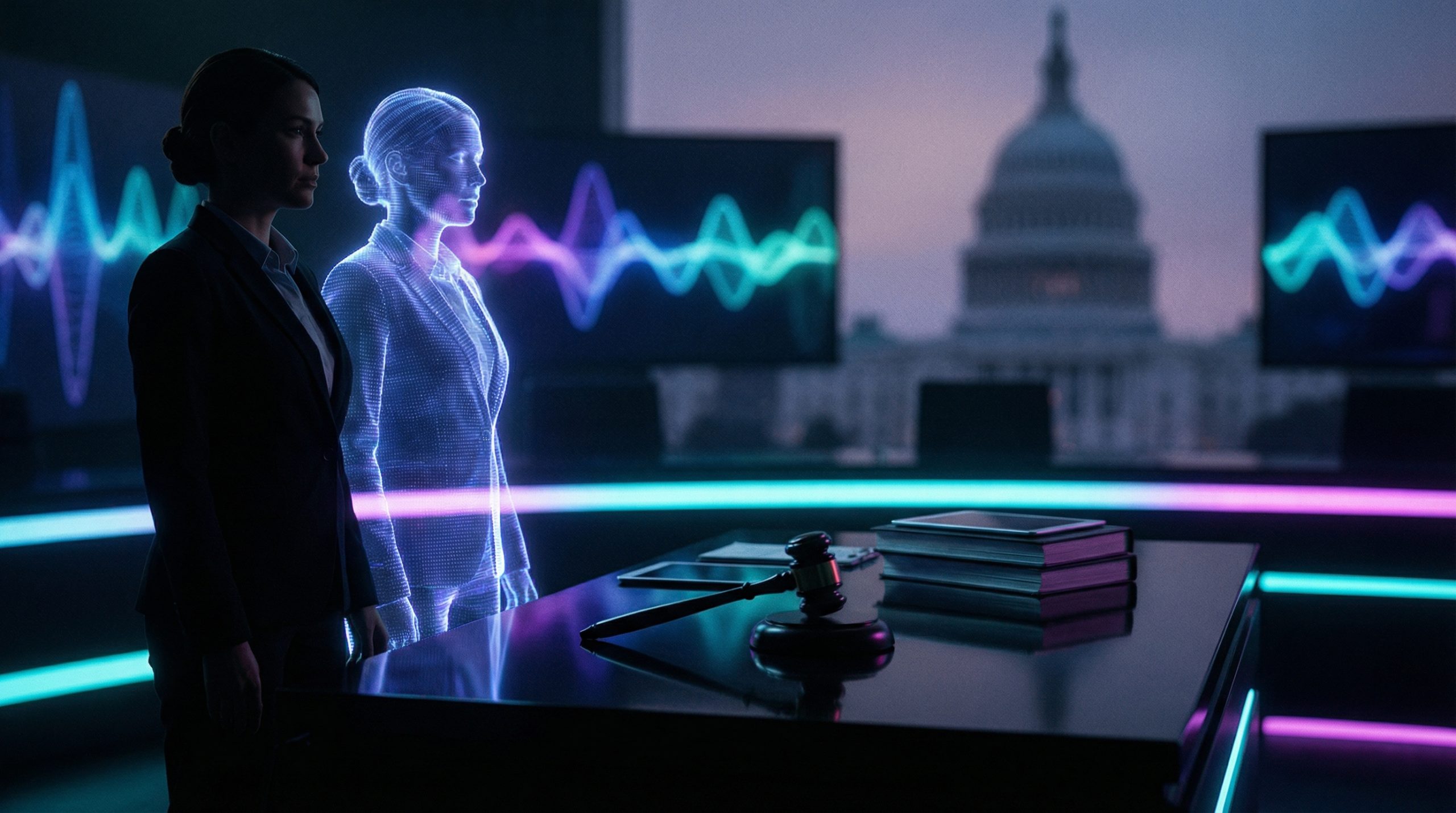
If you think the current AI regulations are strict, get ready. Washington is just getting started.
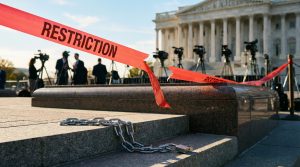
For the past few years, Congress has been in a "listening phase," holding hearings and gathering data from the Copyright Office and tech experts. Now, we are entering the "legislative phase."
According to the Congressional Research Service (CRS) and the U.S. Copyright Office, several major pieces of legislation are moving through the pipeline that could fundamentally change how you create, label, and monetize AI video.
You don't need to be a policy wonk to care about this. You just need to know if your business model is about to become illegal. Here is the legislative forecast for late 2026 and how to future-proof your channel today.
1. The "NO FAKES" Act Becomes Law
The Nurture Originals, Foster Art, and Keep Entertainment Safe (NO FAKES) Act has been in the discussion draft phase, but it is gaining bipartisan momentum.
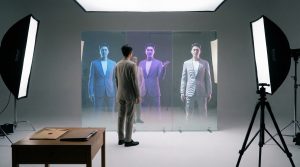
- What it changes: It creates a federal "intellectual property right" in your voice and face . Currently, if someone clones your voice in a state without publicity laws, you might be out of luck. This law would make it a federal offense nationwide.
- The Impact: If you use "celebrity voice changers" or unlicensed avatars, the risk of being sued will skyrocket. It also likely means platforms like YouTube will implement "automated takedowns" for digital replicas, similar to how they handle music copyright today.
2. Mandatory Watermarking & "Provenance"
The days of "hidden AI" are numbered. The Copyright Office has advised the NTIA (National Telecommunications and Information Administration) that transparency is a top priority.
Congress is considering "provenance" laws that would require all AI content to carry an invisible digital watermark—a "nutrition label" that tells platforms where the content came from.
- The Risk: If you use open-source or "jailbroken" AI tools that strip these watermarks, platforms may automatically downrank or block your content for failing to meet transparency standards.
- The Fix: Stick to enterprise tools like Magiclight that automatically embed C2PA (Coalition for Content Provenance and Authenticity) metadata into every file.
3. Platform Liability (The End of Section 230?)
Historically, platforms like YouTube and X (formerly Twitter) were protected by Section 230, which shielded them from being sued for what users posted.
However, lawmakers are debating whether this shield should apply to AI. If Congress decides that AI generation is "content creation" rather than just "hosting," platforms could be held liable for every deepfake they host.
- The Consequence: To protect themselves, platforms will likely ban all AI content that isn't verified or created with "trusted tools." We are already seeing this with TikTok's strict new labeling requirements.
How to "Future-Proof" Your Channel
You can't control what Congress does, but you can control your tool stack. The creators who will survive the 2026 legislative wave are the ones who prioritize compliance over convenience.
- Audit Your Tools: Are you using a "black market" voice cloner? Switch to a licensed engine immediately.
- Adopt "White Hat" Workflows: Use tools like Magiclight that prioritize licensed training data and automatic watermarking. When the laws change, these tools will update their compliance features automatically, keeping you safe without you lifting a finger.
- Stay Human: Remember, the Copyright Office has repeatedly stated that "human authorship" is the key to protection . The more you edit, direct, and refine your AI content, the safer you are from both legal challenges and copyright theft.
What Does it All Mean?
The "Wild West" era of AI is closing. By late 2026, the AI video landscape will be regulated, watermarked, and strictly enforced. Don't wait for the gavel to drop—build your safety net now.
Sources & References:
The information in this article is sourced from:
- Copyright and Artificial Intelligence, Part 1: Digital Replicas (U.S. Copyright Office, July 2024)
- Copyright Registration Guidance: Works Containing Material Generated by Artificial Intelligence (U.S. Copyright Office, March 2023)
- Generative Artificial Intelligence and Copyright Law (Congressional Research Service, LSB10922, Updated July 2025)
- Generative Artificial Intelligence: Overview, Issues, and Considerations for Congress (Congressional Research Service, IF12426, Updated April 2025)
- US Copyright Office Comment to the NTIA on AI Accountability (U.S. Copyright Office, June 2023)
- Nurture Originals, Foster Art, and Keep Entertainment Safe (NO FAKES) Act of 2023 Discussion Draft (Senator Chris Coons et al., 2023)
- No Artificial Intelligence Fake Replicas And Unauthorized Duplications (No AI FRAUD) Act (H.R. 6943, 118th Congress, 2024)