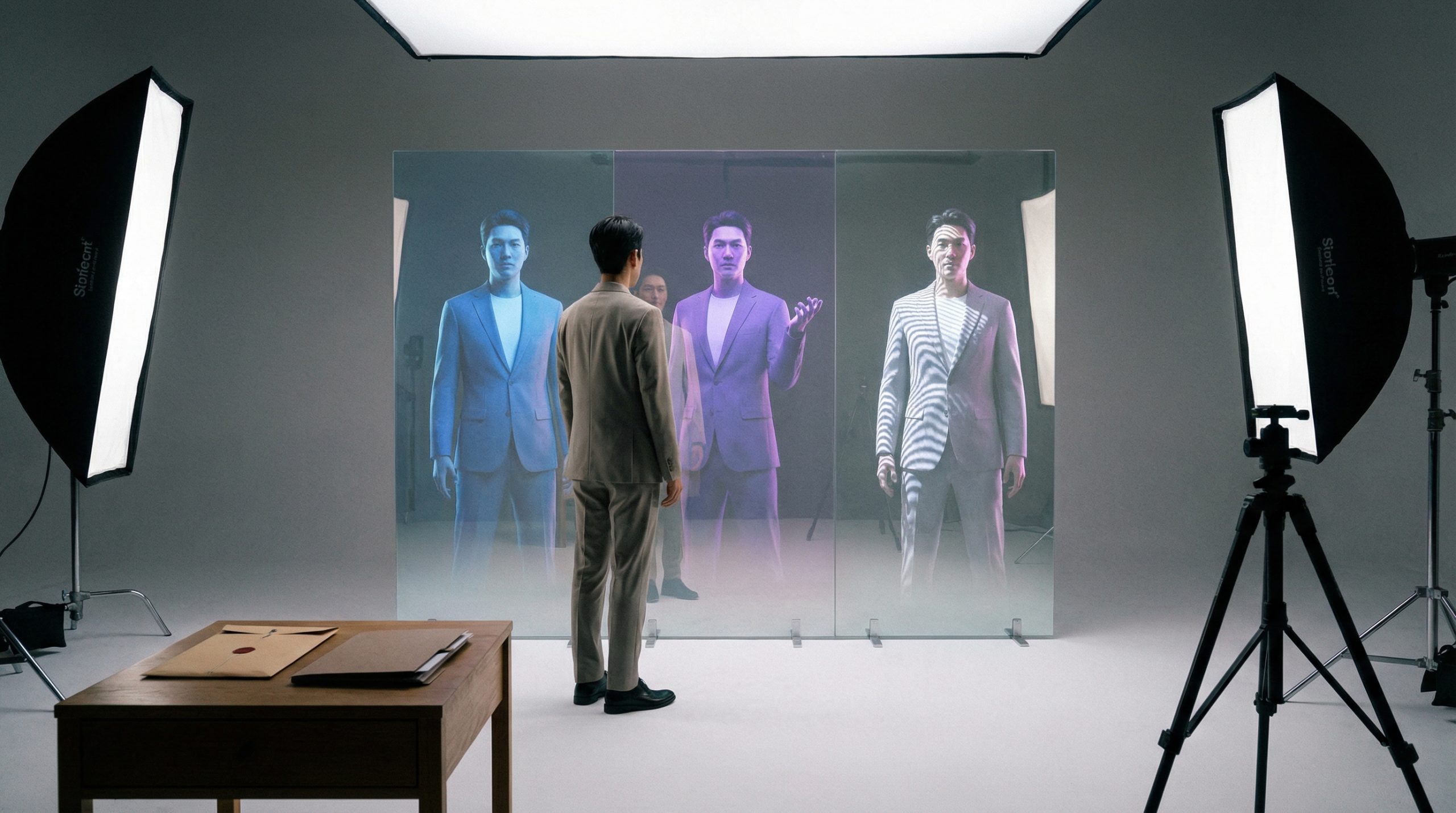
For years, the internet has been a "wild west" for AI generated images. You could type "Tom Cruise selling used cars" into a generator, and moments later, you’d have a hyper-realistic deepfake.
In 2026, that "wild west" era is officially ending.
Prompted by a surge in unauthorized "digital replicas"—from the viral "Fake Drake" song to scams impersonating corporate executives—lawmakers are cracking down. The U.S. Copyright Office has released a major report calling for a new federal law to protect individuals from having their voices and faces stolen by AI.
If you are a creator using AI avatars for your channel, marketing, or business, you need to understand these new rules immediately. Using the wrong avatar could now land you in federal court.
What is a "Digital Replica"?
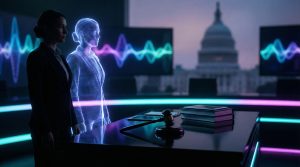
The Copyright Office defines a "digital replica" as any video, image, or audio recording that has been digitally created to "realistically but falsely depict an individual.".
Crucially, this definition focuses on authenticity. It doesn't matter if you mark the video as "Parody" or "AI Generated" in the description. If the avatar looks or sounds indistinguishable from a real human, and you didn't get their permission, you are in the danger zone.
The "NO FAKES" Act: A Federal Shield
While state laws (like "Right of Publicity") have existed for years, they were a patchwork—some protected only celebrities, others only the living. The proposed NO FAKES Act (Nurture Originals, Foster Art, and Keep Entertainment Safe) aims to standardize this with a federal property right.
Under this framework:
- Liability extends to everyone: It’s not just the person who made the deepfake who can be sued. Liability can extend to anyone who "publishes, performs, distributes, transmits, or otherwise makes available" the unauthorized replica.
- Knowledge matters: You generally have to know the replica was unauthorized to be liable. However, willful ignorance is not a defense.
- 70-Year Protection: The rights would likely last for the individual’s lifetime plus 70 years, meaning you cannot freely clone deceased actors like Marilyn Monroe or Elvis without estate permission.
The "Danger Zone": What Will Get You Sued
Based on the Copyright Office’s findings, these are the three behaviors that put creators at the highest risk of a lawsuit:
- Celebrity Clones: Using AI to make a famous person say or do things they never did. Even if it's a "tribute," it violates their right to control their digital likeness.
- "Soundalikes" in Music: Generating a song using a vocal clone of a popular artist. This is now a primary target for litigation by major record labels.
- Implied Endorsements: Using a generated avatar of a trusted figure (like a news anchor or influencer) to sell a product. This violates both digital replica laws and the Lanham Act (false endorsement).
The "Safe Zone": How to Use Avatars Legally
Does this mean you can't use AI avatars at all? Absolutely not. You just have to use them correctly.
The crackdown is targeting unauthorized identity theft, not the technology itself. To stay safe, follow these rules:
- Use "Stock" AI Avatars: Platforms like Magiclight license the likenesses of their stock avatars. The real human actors were paid for their image rights, and they signed model releases specifically allowing their faces to be used as AI avatars. When you use these, you are legally covered.
- Get Written Consent: If you are cloning yourself or an employee, get a signed "Digital Replica Release" form. The NO FAKES Act discussion draft specifically mentions that valid licenses generally need to be in writing.
- Avoid "Lookalikes": Don't try to get cute by prompting for "A tall action star who looks like the guy from Mission Impossible." Courts have ruled that "evoking" a celebrity’s identity, even without using their exact face, can still be infringement.
Conclusion: License it or Lose it
The era of "move fast and break things" is over for AI video. As federal laws catch up to the technology, the risks of using unauthorized deepfakes are becoming existential for creators.
By sticking to licensed tools—where every avatar is ethically sourced and legally cleared—you can build your content empire without looking over your shoulder for a subpoena.
Sources & References:
The information in this article is sourced from:
- Copyright and Artificial Intelligence, Part 1: Digital Replicas (U.S. Copyright Office, July 2024)
- Copyright Registration Guidance: Works Containing Material Generated by Artificial Intelligence (U.S. Copyright Office, March 2023)
- Generative Artificial Intelligence and Copyright Law (Congressional Research Service, LSB10922, Updated July 2025)
- Generative Artificial Intelligence: Overview, Issues, and Considerations for Congress (Congressional Research Service, IF12426, Updated April 2025)
- US Copyright Office Comment to the NTIA on AI Accountability (U.S. Copyright Office, June 2023)
- Nurture Originals, Foster Art, and Keep Entertainment Safe (NO FAKES) Act of 2023 Discussion Draft (Senator Chris Coons et al., 2023)
No Artificial Intelligence Fake Replicas And Unauthorized Duplications (No AI FRAUD) Act (H.R. 6943, 118th Congress, 2024)