
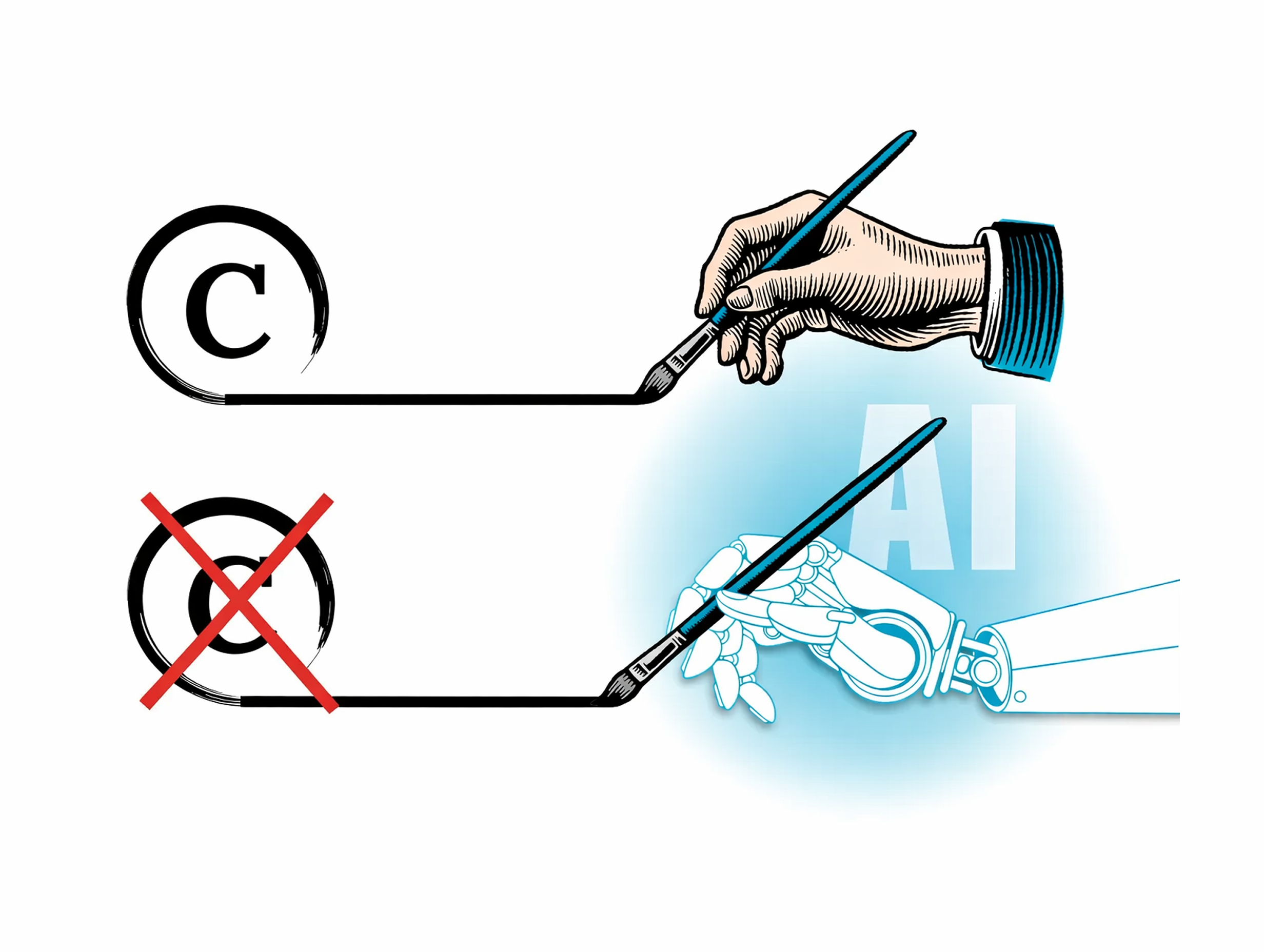
The transition from AI experimentation to "actual utility" in 2026 has brought a new level of responsibility for video creators. As the technology matures, the legal and technical frameworks governing how we own, label, and protect our work have become more defined across global borders. To maintain a professional edge, creators must navigate a complex intersection of authorship standards in the US and China, mandatory transparency in the EU, and the emerging infrastructure of global rights management.
The Authorship Standard: Owning the Render
The first pillar of AI video in 2026 is the question of ownership. In the United States, the U.S. Copyright Office has reaffirmed that "prompts alone" do not constitute human authorship. Instead, protection is granted based on the "perceptible human expression" and "creative control" exercised over the final render, such as through substantial modification or creative arrangement.
In contrast, China’s Beijing Internet Court has opened a path for copyrighting AI-generated work if creators can provide clear "evidence of creative effort" through an iterative and personalized process.
For a closer look at the differing standards for creative control and how to build a defensible authorship trail, see our full analysis in How to Own Your AI Video in 2026: US vs. China Copyright Laws.
The Transparency Mandate: Labeling for the EU
As of August 2, 2026, the EU AI Act will introduce legally binding transparency requirements for any video content distributed in the European market. Professional creators—classed as "deployers"—must clearly and visibly label deepfakes and AI-generated content at the point of first exposure.
While "limited risk" enhancements like color grading or noise removal generally do not trigger these rules, any synthetic media that creates a false impression of authenticity must include both visible labels and machine-readable metadata. Failure to comply can result in administrative fines reaching up to 3% of a company's global turnover.
To learn more about the specific disclosure formats and how to ensure your content meets the 2026 transparency standards, read our detailed guide in EU’s New AI Video Labeling Rules in 2026.
The Infrastructure of Rights: Global Tracking and Opt-Outs
Beyond local laws, 2026 sees the rise of technical systems designed to protect creators' work from unauthorized use. On March 17, 2026, the World Intellectual Property Organization (WIPO) launches the AI Infrastructure Interchange (AIII), a global forum for standardizing interoperable watermarking and metadata.
At the same time, the United Kingdom is finalizing its stance on AI training under the Data (Use and Access) Act. A critical report due by March 18, 2026, will determine whether the UK adopts an "opt-out" model for AI training, highlighting the need for creators to use technical signals likerobots.txt and llms.txt to defend their intellectual property.
For more information on implementing technical safeguards like robots.txt and navigating the upcoming policy resets, explore the deep dive in WIPO’s New Technical Standards and the UK’s AI Training Reset.
The 2026 Strategy: Documentation as Defense
Success in the current landscape requires more than creative talent; it requires "documentation as defense". By maintaining clear records of your creative process and adopting emerging technical standards for watermarking and metadata, you can ensure your AI-assisted work remains a protected and professional asset in a global market.
Don’t let your creative assets fall into a legal gray area. Visit the MagicLight.AI for our comprehensive guide on Technical Steps to Secure Your Video Rights in 2026.