About the The Mechanics of the Heart
Think your heart is just a simple pump? Think again! We're diving deep into the incredible engineering of this vital organ, revealing its four-chambered design, one-way valves, and the intricate network of vessels that keep you alive. Discover the hidden logic behind every beat and why this small muscle is a marvel of biological machinery. What makes the heart such an elegant engine?
Video script prompt
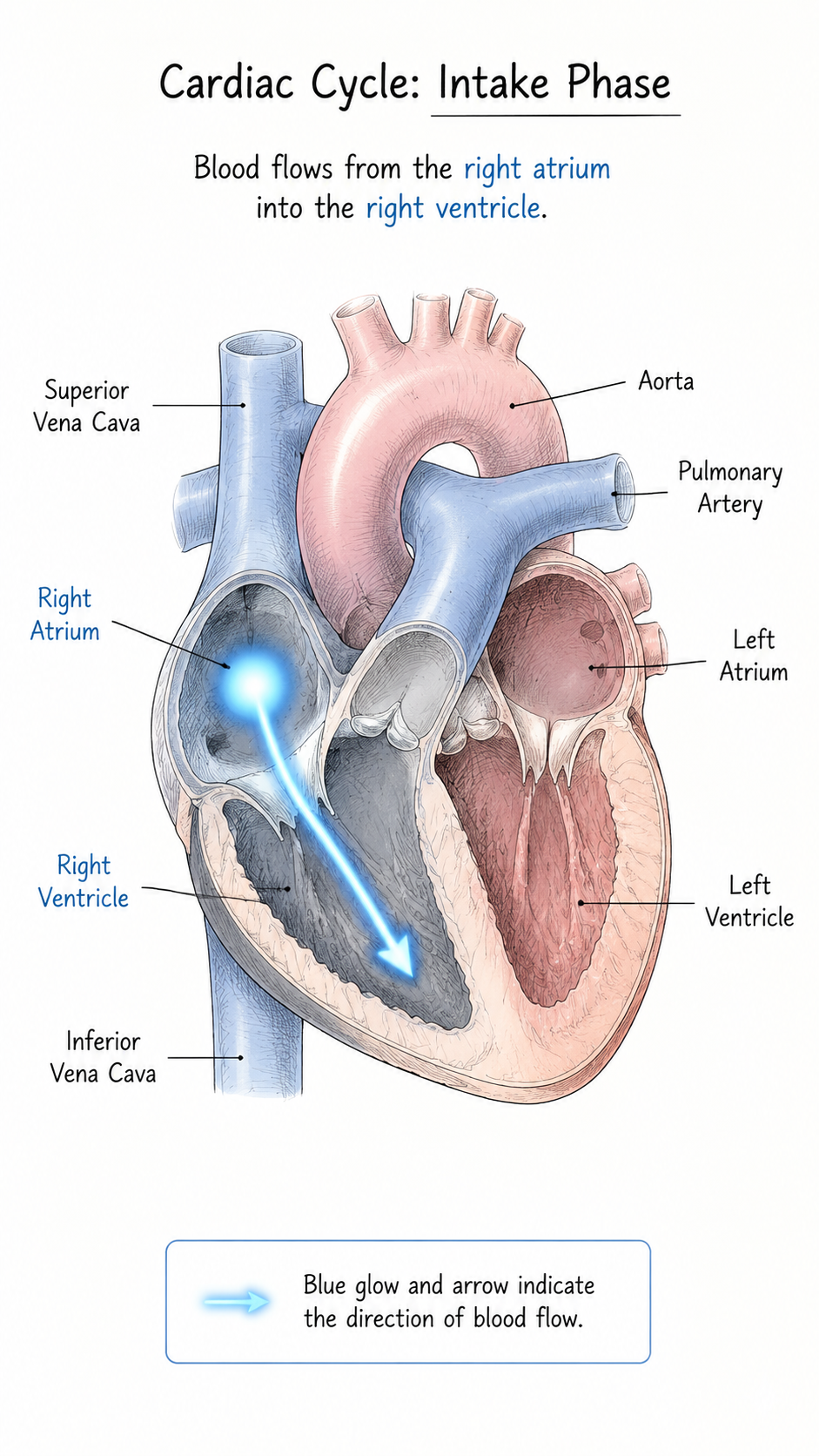
The heart may look like one simple pump. But inside, it is more like a carefully designed four-room engine. These four rooms are called chambers. The two upper chambers are the atria. The two lower chambers are the ventricles. The right side of the heart handles blood that is low in oxygen. The left side handles blood that is rich in oxygen. Here is how the journey works. Blood from the body first enters the right atrium. Then it moves into the right ventricle. From there, the heart sends it to the lungs. In the lungs, the blood releases carbon dioxide and picks up fresh oxygen. Then the oxygen-rich blood returns to the left atrium. It moves into the left ventricle. Finally, the left ventricle pushes that blood out to the entire body. This is why the left ventricle has the thickest muscle wall. It has the hardest job: sending blood all the way to the brain, arms, organs, and legs. Between these chambers are valves. Valves work like one-way doors. They open to let blood move forward, then close to stop blood from flowing backward. Without valves, the heart would waste energy pushing blood in the wrong direction. The heart also has large blood vessels connected to it. The vena cava brings blood back from the body. The pulmonary artery carries blood to the lungs. The pulmonary veins bring oxygen-rich blood back from the lungs. The aorta sends oxygen-rich blood out to the body. So the heart is not just a bag of muscle. It is a four-chamber system, a valve system, and a traffic-control center for blood. Every beat follows the same hidden logic: receive, pump, refresh, deliver. That simple rhythm keeps oxygen moving through every part of you. The heart is small enough to fit in your chest. But structurally, it is one of the most elegant engines in the human body.
How to use this Explainer video template
Template Name: The Mechanics of the Heart
Step 1
Click the "Use Template" button to load the "The Mechanics of the Heart" preset.
Step 2
Review the default settings. This template is pre-configured with the Hailuo 02 model and Sketch Science style. Click "Run Script" to generate your initial draft.
Step 3
Enter your scene description in the text box. The One-Click engine is powered by Hailuo 02 to interpret complex prompts instantly. Toggle the Directing Modes if you need specific camera movements.
Step 4
Browse the Video Style carousel to pick a look. Ensure your Aspect Ratio is set correctly (9:16) for your target platform.
Step 5
Hit the "Create Video" button. The AI will process your script and style simultaneously to deliver a finished video.
The Mechanics of the Heart Video Template
Start to use this template
Template Specifications
Frequently Asked Questions
What is an explainer video template?
Explainer templates are pre-designed videos that help you explain ideas, products, or services clearly and visually.
Do I need design skills to use these templates?
No. Magiclight templates come ready-to-use; you only need to add your text, images, or voiceovers.
Can I customize the text and visuals in explainer videos?
Yes. Magiclight lets you edit text, replace images, and adjust visual elements to clearly present your ideas or products.
Are explainer templates suitable for business presentations?
Absolutely. They are perfect for marketing, training, product demos, or investor pitches.
What can I use explainer templates for?
Magiclight's explainer templates are perfect for product demos, service introductions, training videos, or sharing ideas in a clear and engaging way.
You might also like
these trending designs