About the The Rise and Fall of Dinosaurs
For 160 million years, dinosaurs ruled Earth. From tiny to towering, they dominated every landscape—until a cataclysmic asteroid struck. What really happened in the aftermath of that impact? Was it an instant extinction, or a slow, agonizing decline? And what surprising legacy did the dinosaurs leave behind that still soars above us today?
Video script prompt
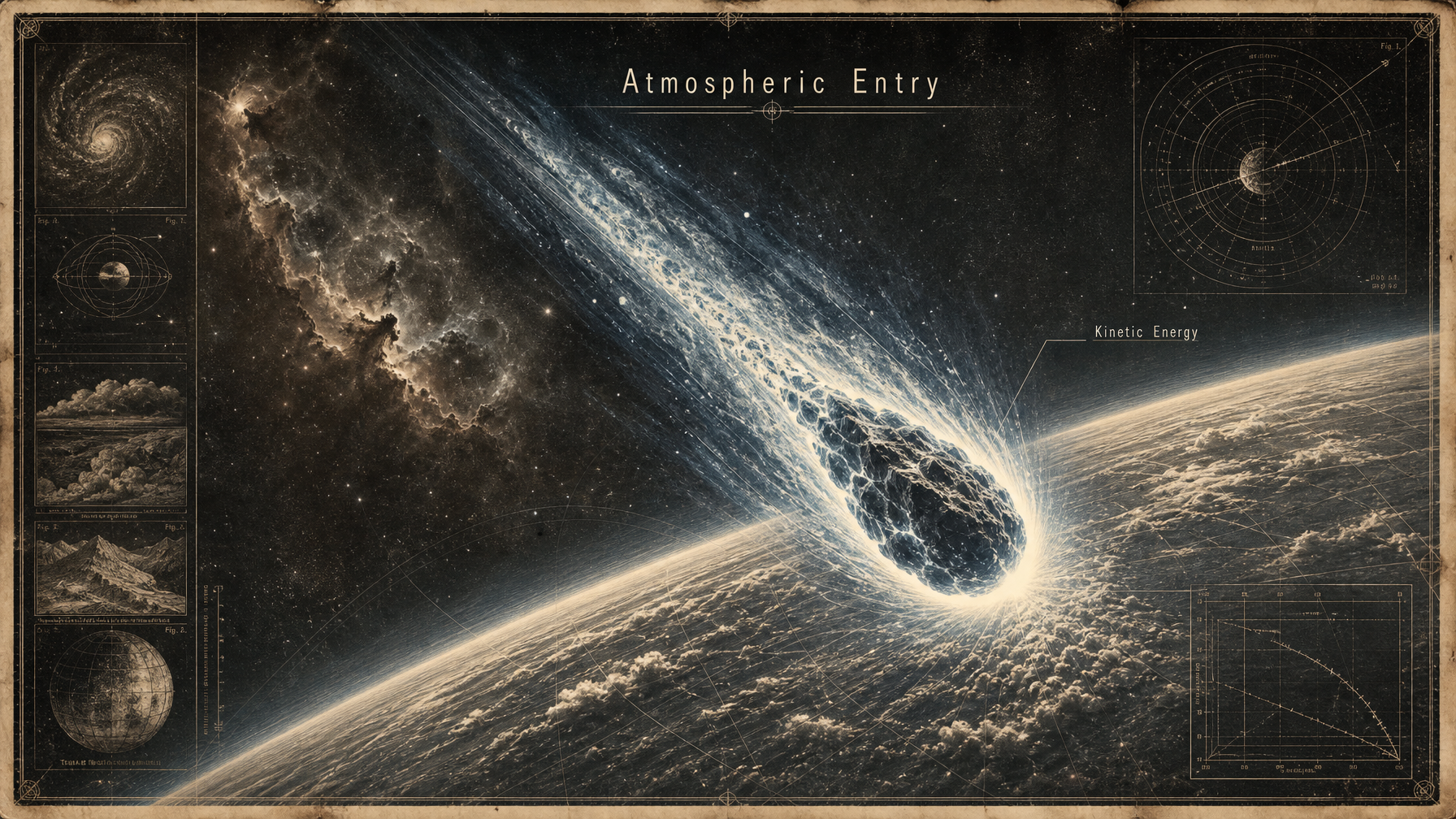
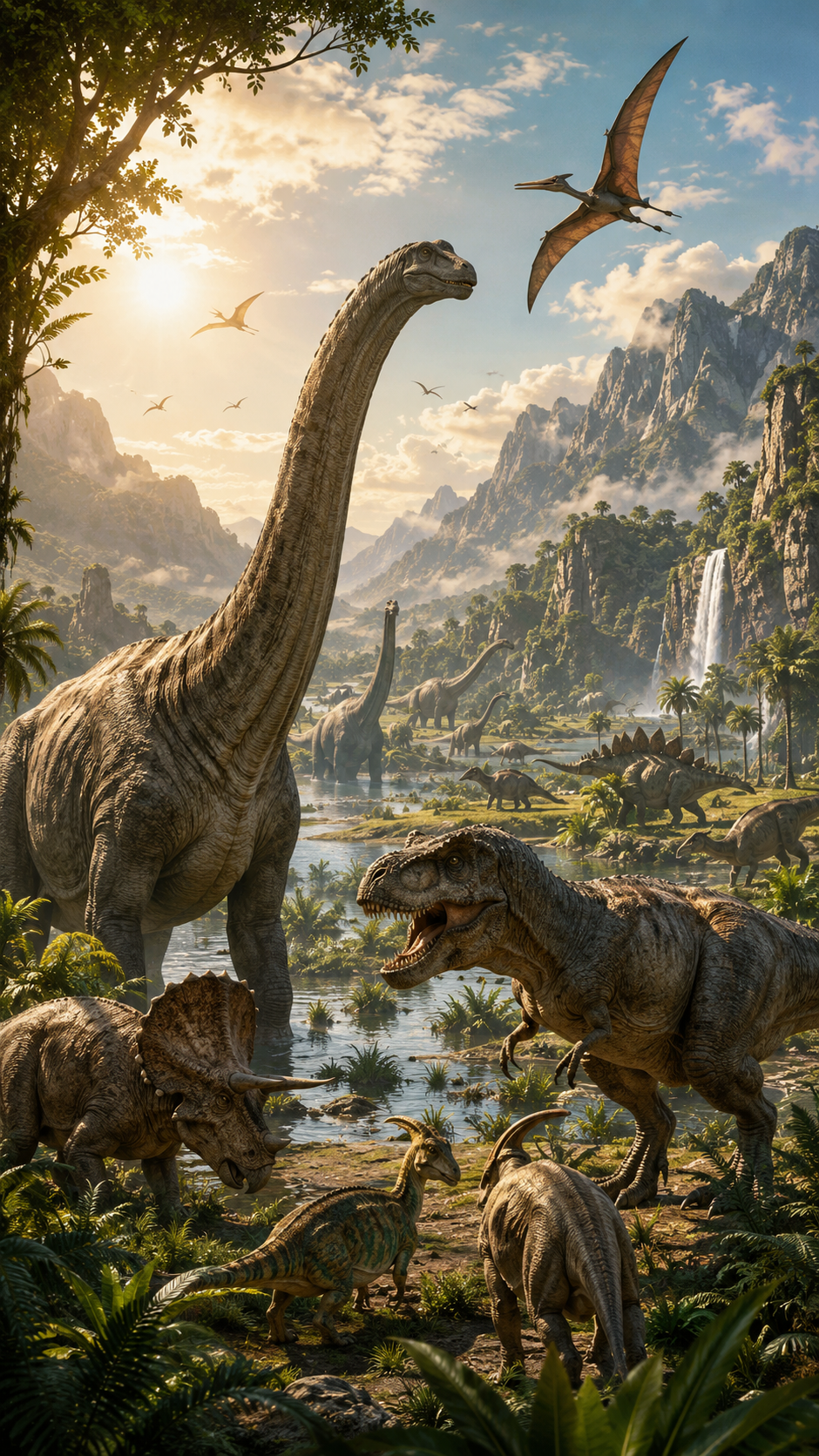
For more than 160 million years, dinosaurs ruled the land. Some were as small as birds. Some were taller than buildings. Some hunted with sharp teeth, while others moved in giant herds across ancient forests and plains. Then, about 66 million years ago, everything changed. A massive asteroid, roughly the size of a mountain, came from space and struck Earth near what is now Mexico’s Yucatán Peninsula. The impact was unimaginably powerful. In a single moment, rock exploded, oceans surged, and fire spread across the sky. The asteroid did not simply make a giant crater. It changed the whole planet. Dust, ash, and sulfur blasted into the atmosphere, blocking sunlight. For plants, this was a disaster. Without enough sunlight, many plants could not grow. When plants disappeared, plant-eating dinosaurs began to starve. When plant-eaters died, meat-eating dinosaurs lost their food too. The food chain started collapsing from the bottom up. At the same time, the world became cold and dark. This period is sometimes called an “impact winter.” Forests burned, oceans changed, and ecosystems struggled to survive. The dinosaurs did not vanish in one second. The asteroid was the trigger, but extinction was a process. First came the explosion. Then came the darkness. Then came the collapse of food, climate, and habitat. Most large dinosaurs could not adapt fast enough. But not every dinosaur disappeared. A small group of feathered dinosaurs survived. Their descendants are still with us today. We call them birds. So the story of dinosaur extinction is not only a story of death. It is also a story of survival. One asteroid ended the age of giant dinosaurs. But it also opened the door for mammals to rise, forests to return, and eventually, humans to appear. The dinosaurs disappeared from the land. But their legacy still flies above us.
How to use this Explainer video template
Template Name: The Rise and Fall of Dinosaurs
Step 1
Click the "Use Template" button to load the "The Rise and Fall of Dinosaurs" preset.
Step 2
Review the default settings. This template is pre-configured with the Hailuo 02 model and Science Info style. Click "Run Script" to generate your initial draft.
Step 3
Enter your scene description in the text box. The One-Click engine is powered by Hailuo 02 to interpret complex prompts instantly. Toggle the Directing Modes if you need specific camera movements.
Step 4
Browse the Video Style carousel to pick a look. Ensure your Aspect Ratio is set correctly (9:16) for your target platform.
Step 5
Hit the "Create Video" button. The AI will process your script and style simultaneously to deliver a finished video.
The Rise and Fall of Dinosaurs Video Template
Start to use this template
Template Specifications
Frequently Asked Questions
What is an explainer video template?
Explainer templates are pre-designed videos that help you explain ideas, products, or services clearly and visually.
Do I need design skills to use these templates?
No. Magiclight templates come ready-to-use; you only need to add your text, images, or voiceovers.
Can I customize the text and visuals in explainer videos?
Yes. Magiclight lets you edit text, replace images, and adjust visual elements to clearly present your ideas or products.
Are explainer templates suitable for business presentations?
Absolutely. They are perfect for marketing, training, product demos, or investor pitches.
What can I use explainer templates for?
Magiclight's explainer templates are perfect for product demos, service introductions, training videos, or sharing ideas in a clear and engaging way.
You might also like
these trending designs